Irene Martínez has managed to unite Japanese, Andalusian, and Mallorcan cuisines in her restaurant Nus without resorting to easy fusion. Located in Santa Catalina, the venue focuses on tavern-style dishes and tasting menus starting from 55 euros.
In the heart of Santa Catalina, one of the most transformed neighbourhoods in Palma, a restaurant has achieved what seemed impossible: building a bridge between Japan, Andalusia, and Mallorca without the scaffolding showing. It's called Nus — knot in Mallorcan — and it's run by Irene Martínez, a chef who has worked at DiverXO, Arume, and Dins by Santi Taura.
“Santa Catalina is a double-edged sword,” Martínez explains. “It has changed, and many locals don’t want to come because they think it’s a neighbourhood for foreigners where restaurants only want to make money. It affects those of us trying to do it right, precisely for the locals.”
The chef, born in Mallorca but with Andalusian roots, spent a long time working in Japan. From that triple experience comes a menu that avoids the word “fusion,” which she considers a shortcut. “Here, the regional cuisine does not merge with the others; it ties together,” she asserts.
Dishes that Cross Oceans
The offerings are divided between tavern-style dishes and more substantial sharing plates. Among the must-tries: marinated anchovies in sunomono — with sherry vinegar instead of rice — Pekin-style chicharrones, pringá banh mi, and a coconut milk soup with lemongrass.
The lemon fish nigiri is presented seared with soy syrup and mirin. Mallorca is encapsulated in a delicious, lightly fried porc negre pastry. The bread is a fluffy Chinese mantou. The tuna cut is smoked in a kamado and comes with a mayonnaise that allows the piece to breathe.
The red prawn pastry and the oxtail à la royale reveal the chef's craftsmanship. There are also daily specials, such as the Mallorcan red prawn caldereta with cilantro, which gives it an unexpected twist. The soft-shell crab fits into this line of restless cooking.
The wine list connects the three vertices of the triangle: ten or fifteen Andalusian references, hard to find outside Michelin-starred establishments, and good sake options. They also offer half a dozen cocktails with Japanese influences, like the umeshu negroni (gin, Campari, and plum liqueur).
From the Pit to the Fair
Last February, Martínez closed to reflect. “I was very burnt out; I had developed a bit of a dislike for the restaurant,” she confesses. The expenses, the staff, the worry over few reservations out of season were dragging her down. “I was falling into a pit, I felt bad. I’m still there, but we’ve made changes and now we’re on the rise.”
She has halved the staff, removed the daily menu, and simplified the menu. She put away dishes like the lamb shank, which required two days of preparation. Hence, she has leaned more towards the tavern concept.
Among the new features is a food truck called Feria, which allows her to reach out to the locals instead of waiting for them to come. It offers potatoes, sandwiches, skewers, and churros. “I wanted to do something more casual, more fun. And, interestingly, it was born from having a hard time. So here we are, fighting. I’m very stubborn. They have to really mess with me to bring me down,” she says with a laugh.
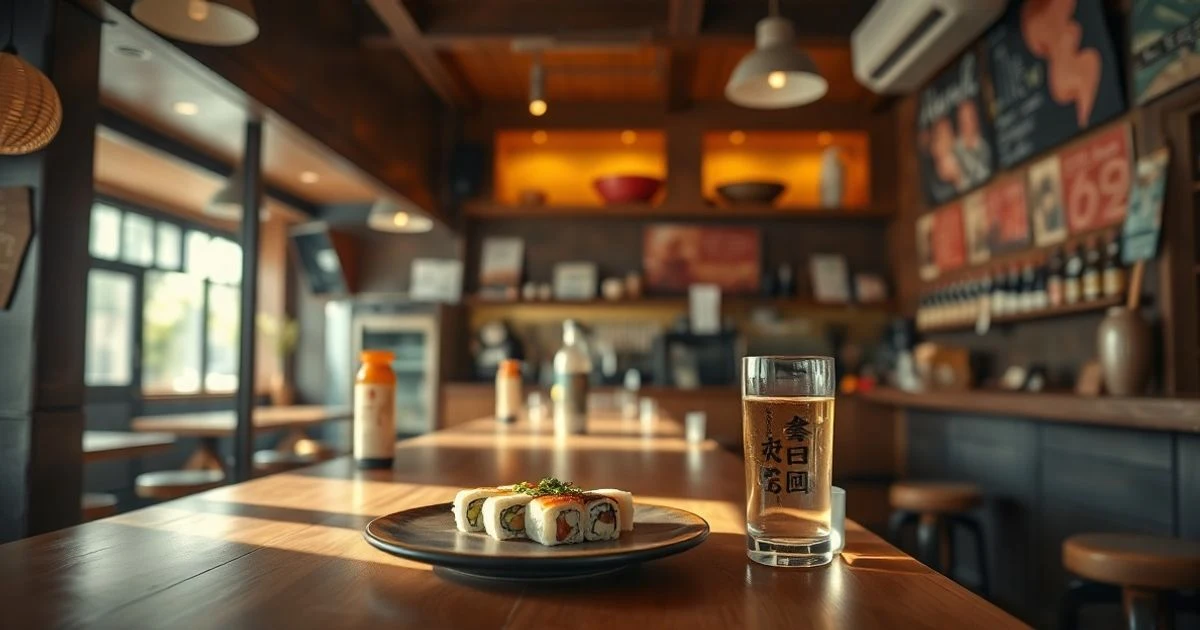
The Nus venue is welcoming, with an open kitchen, and the service — a young, informal, and friendly team — matches the vibe. It’s a place you want to return to: for what Martínez ties together on the plate with good skill and for that authenticity that surfaces where it’s least expected.
The residents of Palma can enjoy two tasting menus: Mijilla (€55) and Pechá (€70), always attentive to the seasons. Additionally, the Feria food truck travels around the island; it’s worth following their social media to know where it stops.

You may also like


