
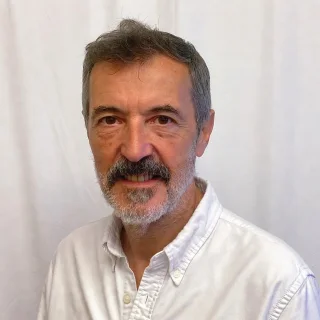
The researcher from Sa Pobla, Toni Celià-Terrassa, from the Hospital del Mar Research Institute, has been awarded one of the prestigious EU ERC Advanced Grants, worth €2.5 million, to investigate new therapies for breast cancer.
The Mallorcan researcher Toni Celià-Terrassa, originally from Sa Pobla and leader of the Cancer Cell States and Metastasis Immunity Research Group at the Hospital del Mar Research Institute (HMRIB), has obtained one of the coveted ERC Advanced Grants awarded by the European Research Council. The grant, amounting to €2.5 million, will fund the PLASTWIRE project for five years, focusing on developing therapies for metastatic breast cancer using messenger RNA.
A pioneering project against breast cancer
The PLASTWIRE project (Re-wiring tumor immune-evasive plasticity with mRNA therapy) aims to modify the immune-evasive cellular states of tumour cells. The heterogeneity of these states is one of the main causes of resistance to current treatments. Celià-Terrassa's team is betting on messenger RNA-based therapies (mRNA) to modulate transcription factors and achieve a more uniform molecular profile in tumour cells. This way, the immune system could identify them and make them more vulnerable to treatments like immunotherapy.
Although the research will initially focus on metastatic breast cancer, the knowledge and tools developed could be applied in the future to other types of tumours. The grant will also allow the consolidation and expansion of the multidisciplinary team led by the researcher from Sa Pobla.
Recognition of scientific excellence
In this round of ERC Advanced Grants, over 3,300 applications were submitted, of which only 319 projects were selected across Europe. The European Research Council will distribute nearly €840 million in total. These grants are considered one of the highest recognitions of scientific excellence in Europe, aimed at established researchers with a distinguished track record. Their goal is to promote pioneering, high-risk projects with significant transformative potential.
For Celià-Terrassa, who is currently enjoying a few days of rest with his family in Sa Pobla, this distinction represents “achieving a milestone of the highest level of scientific excellence.” “It is the highest category of individual recognition and funding that can be achieved in Europe and, at the same time, the most demanding and selective,” he states. “That’s why it represents a great honour and immense satisfaction, in addition to recognising a whole career of work, effort, and perseverance that has allowed me to get here.”
A boost for local research
The news has been received with pride in Sa Pobla and throughout Mallorca, where Celià-Terrassa is a reference in the fight against cancer. The ERC Advanced Grant not only funds his project but also strengthens the position of the Mallorcan researcher in the international scientific landscape. For the island's residents, it is a source of satisfaction to see a local scientist achieve such recognition, competing with the best research centres in the world.
The ERC Advanced Grants, established in 2007 by the European Research Council, are the main European funding body for excellent research. With this support, the PLASTWIRE project hopes to open new therapeutic avenues that can benefit breast cancer patients worldwide, including those in the Balearic public health system.
You may also like


