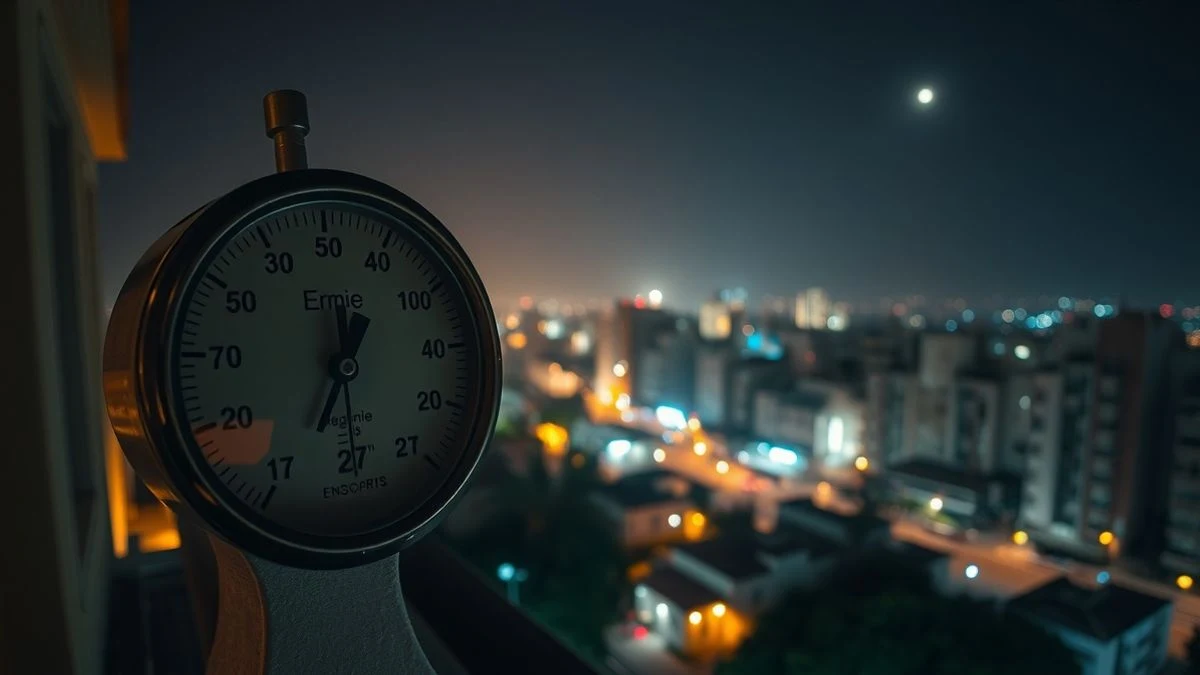
Monday to Tuesday night was hellish in Mallorca, with minimums not dropping below 27 degrees in Puerto de Pollença and tropical values across much of the island. The heat has already claimed 103 lives this summer.
The thermometer did not relent this past night in Mallorca. According to data from the State Meteorological Agency (Aemet), Puerto de Pollença recorded a minimum of 27 degrees, followed by Muro, Capdepera Lighthouse, Palma Portopí, Banyalbufar, and Colònia de Sant Pere, all at 26 degrees. In Puerto de Sóller, Son Bonet Airport, Pollença, Artà, and Cabrera, the mercury did not drop below 25 degrees.
In the rest of the island, minimums ranged from 24 degrees in Sineu, Portocolom, Palma Airport, Llucmajor, Petra, Campos, sa Pobla, Son Servera, Santa María, and Santanyí, to 20 degrees in some inland areas. Aemet's deputy spokesperson in the Balearics, Jorge Rodríguez, described the night as sweltering and noted that these values make it extremely difficult to sleep.
103 Heat-Related Deaths This Summer
High temperatures are not only uncomfortable but also lethal. According to the Heat-Attributable Mortality in Spain (MACE) application, from June 1 to July 13, there have been 103 deaths in the Balearics attributed to heat. Of these, 97 are due to moderate heat and 6 to extreme heat. The tool, created by a scientific team from CSIC and the University of Valencia, warns that the risk remains high.
Experts warn that very high temperatures are harmful to health, especially for the elderly, children, and those with chronic illnesses. Dominic Royé, a researcher at CSIC, stated that Mallorca has entered a phase of "chronic heat," with increasingly long and intense heatwaves.
The Longest Heatwave of the Summer
Mallorca is currently experiencing the second heatwave of the summer, which is being unusually long. According to Jorge Rodríguez, the usual average is four days, but this one will last 12, until next Friday, July 13. Weather models indicate that maximum temperatures will remain very high, with peaks of 41 degrees in the interior of the island.
The coming nights will continue to be sweltering or tropical, with no significant relief. Aemet recommends taking extreme precautions: staying hydrated, avoiding sun exposure during peak hours, and paying attention to the most vulnerable groups.
For the residents of Mallorca, the situation is critical. Nights without air conditioning become unbearable, and the accumulated heat affects rest and health. Authorities remind that climate shelters, such as libraries and civic centres, remain open during the hottest hours. The forecast suggests that Friday could be the toughest day, with maximums of up to 41 degrees in the interior, before a possible temperature drop over the weekend.

You may also like


